TheFarmersDigest
The Farmers Digest
Jul 30, 2025
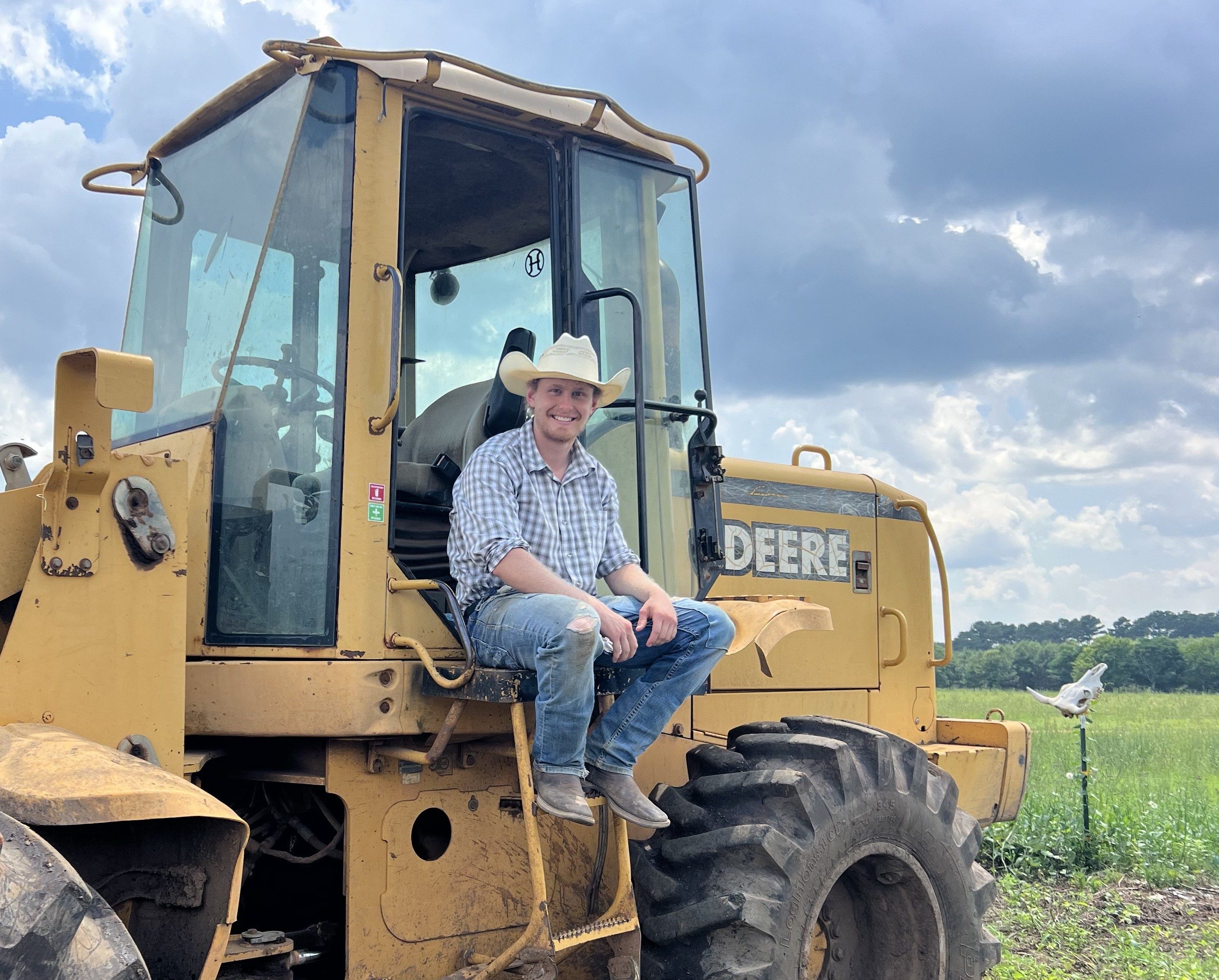
Author
Chris Pigge

Editor
Miles Falk
Disease Prevention and Health Management in Pastured Pigs
"an ounce of prevention is worth a pound of cure.---Alice Percy"

Health management in pasture pig operations requires a fundamentally different approach than confinement systems. While pastured pigs often enjoy better overall health due to fresh air, exercise, and natural behaviors, they face unique challenges from wildlife exposure, variable environmental conditions, and the complexities of managing animals across diverse outdoor settings.
This isn't a one-size-fits-all topic. What works for a small hobby operation differs dramatically from a commercial pasture operation. Regional disease pressures, local wildlife populations, and market requirements all influence health management decisions. Our goal isn't to provide all the solutions or answers, but rather to offer some practical advice and help producers understand the key factors affecting pig health on pasture so they can develop appropriate strategies for their specific situations.
Understanding Disease Transmission in Pasture Systems
Pasture pig operations face disease challenges that simply don't exist in confinement systems. The freedom that makes pastured pork appealing and so yummy also creates exposure to wildlife, environmental pathogens, and variable conditions that can stress pig immune systems.
Feral pigs represent perhaps the most serious threat to pasture pig operations. According to USDA APHIS, feral swine populations carry diseases including pseudorabies, swine brucellosis, and various parasites that can devastate domestic pig operations. Even brief contact through shared water sources, feed areas, or fence lines can result in disease transmission. These animals often travel at night and may visit pasture operations undetected.
During my time working at White Oak Pastures in Georgia, feral pigs presented ongoing challenges, though we didn't actually experience disease transmission issues with them. The biggest problems we faced were feral boars impregnating our sows and destroying fencing infrastructure. I remember one particular day when we gathered all the pigs from a paddock into our working area for routine weighing. As we looked over the group, my colleague and I noticed one animal that seemed different somehow. The moment this "pig" sensed our attention, it went absolutely wild. That's when we realized it wasn't one of our sows at all but a feral boar that had somehow gotten mixed in with our herd. The thing started ramming headfirst into our panels with incredible force. My buddy asked if I had a knife, thinking he might be able to get close enough to handle the situation that way. The idea that he thought he could get within stabbing distance of this thing and be able to do something still makes me laugh today. Eventually, the boar broke through one of our panels and bolted for the woods. Watching it run, you could immediately tell the difference between this lean, muscular wild animal and our well-fed domestic sows. The experience drove home just how different feral pigs are from domestic animals and why preventing their integration with farm herds involves multiple concerns beyond just disease risk. In short feral hogs are not only dangerous from a disease standpoint they are a danger to humans.
Strategies for managing feral pig problems include installing and maintaining good perimeter fencing, using electric wire to reinforce weak spots, and removing water sources that might attract them to your operation. The main concern with feral pigs is them getting into pig areas where they can eat from feeding troughs, access water sources, and directly interact with domestic pigs. More aggressive approaches include trapping with large cage traps and shooting when legal and safe to do so. However, feral pigs are extremely intelligent and persistent animals that can be very difficult to keep out completely, even with excellent fencing and management practices.
Rodents present another significant challenge, serving as reservoirs for several pig diseases while contaminating feed and water sources. Research from Iowa State University confirms that rodents can carry salmonella, leptospirosis, and other pathogens that affect swine health. Unlike confinement operations where rodent control is more manageable, pasture systems must address rodent populations across larger, more diverse areas. Effective rodent control involves storing all feed in rodent-proof containers with tight-fitting lids, removing brush piles and debris near indoor hog facilities like working areas or gestation barns, keeping barn cats that naturally control rodent populations, setting up bait stations in areas where pigs and other animals like dogs cannot access them, and eliminating standing water sources that attract rodents.
Wild birds, particularly waterfowl, can introduce diseases through contaminated water sources and direct contact. While avian influenza represents the most serious concern, birds also carry salmonella and other bacterial infections that can impact pig health. Unfortunately, there's little producers can do to prevent bird contact in pasture systems, making this an inherent risk of outdoor pig production. Other wildlife including deer, raccoons, and various species can serve as disease reservoirs, particularly for parasites and bacterial infections. The key lies in understanding which wildlife species are common in your area and what diseases they might carry.
The Impact of Stress on Pig Health
Stress weakens pig immune systems regardless of the source, making them more susceptible to diseases they might otherwise fight off. Understanding and managing different types of stress becomes crucial for maintaining herd health in pasture operations.
Weather-related stress significantly impacts pig immune systems. Extended periods of cold, wet conditions can predispose pigs to respiratory problems, while hot, humid weather increases heat stress and can worsen parasite loads.
Practical Stress Reduction Strategies
Providing adequate shelter becomes essential during weather extremes. Simple three-sided shelters or hoop houses allow pigs to escape wind, rain, and intense sun while maintaining the freedom of outdoor access. During cold weather, deep bedding systems using straw, hay, or wood shavings create insulating layers that trap body heat. Pigs naturally burrow into deep bedding, creating warm microclimates even in cold conditions. The bedding should be thick enough - typically 12-18 inches - to provide effective insulation, and it should be refreshed regularly as the top layers become soiled.
For hot weather management, shade structures become critical for preventing heat stress. These can be as simple as tarps stretched between posts or more permanent roof structures. Providing adequate water during hot periods helps pigs regulate their body temperature, and some operations create shallow wallowing areas with clean water specifically for cooling purposes.
Persistently muddy conditions around feeding, watering, and shelter areas create ideal conditions for bacterial growth and parasite development. While pigs naturally seek out clean mud for wallowing to regulate body temperature, areas that stay constantly wet and muddy due to poor drainage, heavy traffic, or inadequate site selection often become contaminated and serve as sources of recurring health problems. The key distinction lies between clean wallowing areas that pigs choose to use versus chronically muddy conditions around essential facilities. Even natural wallowing areas can become contaminated if pigs remain in the same location too long, which is why movement within a pasture system helps maintain cleaner conditions and prevents any single area from becoming heavily soiled.
Human interaction represents another major stress factor that directly impacts herd health. Rough handling, shouting, and rushing pigs creates stress that shows up as increased disease susceptibility. While working with pigs can be challenging and sometimes frustrating, especially when they don't cooperate or go where you want them to, the effort to maintain calm, consistent handling practices pays off in better health outcomes.
Moving pigs calmly and quietly rather than rushing or shouting helps maintain lower stress levels, even when the job takes longer than you'd like. Using proper handling equipment like sorting panels instead of forcing pigs with hands or sticks reduces both human and pig stress. Establishing consistent routines for feeding, moving, and handling helps pigs know what to expect, reducing anxiety. Training all farm workers in low-stress handling techniques ensures consistent, calm interactions with the animals, though this takes time and patience to develop. Avoiding sudden movements and loud noises when working around pigs helps maintain a calm environment that supports better health outcomes, even when the work itself is physically demanding and sometimes stressful for the handlers.
Handling Facilities and Infrastructure Design

Proper handling facilities become essential for any pasture pig operation, both for routine management and health care needs. Unlike confinement operations where pigs are easily accessible, pasture systems require thoughtful infrastructure design to safely and efficiently handle animals when necessary.
Basic handling facilities should include a working chute narrow enough to prevent pigs from turning around, sorting pens for separating animals, and a loading chute for transport. The scale and sophistication of these facilities depends on operation size and budget, but even small operations benefit from basic infrastructure that allows safe animal handling. Many producers start with portable panels that can be configured into temporary handling systems, then upgrade to permanent facilities as their operations grow.
When designing handling facilities, considering pig behavior can reduce stress for both animals and handlers. Pigs generally prefer to move in groups and follow curved pathways rather than sharp corners, though individual animals may behave differently. They often move more easily from darker areas toward lighter areas, which might influence gate and alley placement, though this isn't always predictable. Solid panels can help reduce distractions and may encourage movement better than see-through fencing, though some pigs prefer to see where they're going.
Working chutes and handling areas that allow pigs to see an escape route ahead often work better than dead-end designs, though the optimal layout varies depending on the specific situation and animals involved. Non-slip surfaces become important since pigs can be reluctant to move on slippery footing, but what works in one location might not work in another due to different weather conditions or pig breeds. These are general principles rather than absolute rules, and producers often need to adapt designs based on their specific pigs, terrain, and management style.
The location of handling facilities affects their usefulness significantly. Facilities should be easily accessible by vehicle for loading and supply delivery, positioned to work with natural pig movement patterns, and located where they can serve multiple paddocks or pasture areas. Some operations benefit from multiple smaller handling areas distributed across their property, while others prefer centralized facilities that handle all animals.
When setting up pig infrastructure, think like a pig. Consider how they naturally move, where they prefer to rest, and what makes them feel secure. This perspective often leads to more functional designs that work with pig behavior rather than against it.
After using facilities, especially permanent ones, be sure to clean off surfaces to prevent bacteria growth.
Nutrition as Disease Prevention
Pastured pigs face varying nutritional challenges that directly impact immune health. Pigs in wooded areas with nuts and diverse forage need less supplementation than those on sparse grassland. Seasonal changes require feeding adjustments since spring pastures provide good nutrition while winter requires heavy supplementation.
Lactating sows have enormous nutritional demands, needing 15-20 pounds of feed daily when nursing eight piglets. Under-nutrition compromises immune function and increases disease susceptibility. Cold weather increases caloric needs while heat reduces feed intake.
Watch for zinc deficiency, which shows up as crusty skin lesions, poor hair coat, and slow healing wounds. Pigs with zinc deficiency also get sick more often and take longer to recover. Iron deficiency primarily affects young piglets, causing them to appear pale and weak with reduced energy levels. These piglets often lag behind in growth and become easy targets for diseases that healthy piglets can fight off.
Feed management directly impacts immune health. Moldy or spoiled feed produces toxins that weaken the immune system, making pigs vulnerable to infections they could normally resist. Store feed in dry locations and check regularly for signs of spoilage or pest damage. Most producers offer mineral supplements free choice, allowing pigs to consume what they need. Monitor your pigs weekly for body condition changes, growth patterns, and overall alertness. Catching nutritional problems early prevents costly health issues and mortality.
Biosecurity in Open Systems
Implementing biosecurity in pasture systems requires different strategies than confinement operations, but the principles remain equally important. The goal involves reducing disease introduction and spread while maintaining the benefits of outdoor production.
Every person entering pig areas represents a potential disease vector. Clothing, boots, and hands can carry pathogens between operations. Successful pasture operations often maintain clean boots and coveralls for visitors, require hand washing, and restrict access during times of increased disease risk. Some operations designate specific entry points where visitors can clean and disinfect before accessing pig areas. Others maintain visitor logs to track who entered pig areas and when, which proves valuable if disease investigations become necessary.
Producers who visit other pig operations, attend livestock shows, or work with multiple species should consider their own biosecurity practices. Changing clothes and boots before entering your own pig areas, especially after visiting other operations, helps prevent accidental disease introduction.
Clean water supplies are essential for pig health. The main concern involves preventing pigs from contaminating their own water supply by stepping in waterers, defecating near water sources, or otherwise fouling their drinking water. Proper waterer design and placement helps keep water clean and accessible. Automatic waterers and tanks require regular cleaning and maintenance to prevent bacterial growth and biofilm formation.
Managing New Animals and Breeding Decisions
Introducing new animals represents one of the highest-risk activities for any pig operation. Whether purchasing breeding stock or bringing back animals that have been off the farm, proper isolation protocols help prevent disease introduction to the existing herd.
Most veterinary recommendations suggest a minimum 30-day isolation period for new animals, though some situations may warrant longer periods. During this time, new animals should have no contact with the existing herd. The isolation facility should be located downwind from existing pig areas when possible, with separate equipment and dedicated caretaking procedures. Research from multiple land-grant universities emphasizes that proper isolation requires complete separation, not just visual barriers.
During isolation, new animals should be observed daily for signs of illness including temperature changes, appetite loss, respiratory symptoms, or behavioral changes. Some producers work with veterinarians to conduct health testing during the isolation period, particularly for breeding stock that will have long-term value. After successful isolation periods, introducing new animals to the herd gradually helps reduce stress and allows continued health monitoring.
When purchasing animals, know the source and ask about the region's disease history - animals from areas with feral hog populations may carry higher disease risks. Consider blood testing new animals before bringing them to your farm, especially for breeding stock that will have long-term value.
Breeding decisions significantly impact herd health, particularly regarding disease introduction and genetic resistance to health challenges. Operations that breed their own replacements and never introduce outside genetics face lower disease risks but may encounter inbreeding problems over time. Closed herds can develop resistance to local disease challenges while avoiding introduction of new pathogens. However, maintaining genetic diversity in closed herds requires careful planning and record-keeping.
Operations that regularly introduce new genetics face higher disease risks but can access superior genetics and maintain genetic diversity more easily. According to the National Pork Board, successful open herd management requires excellent biosecurity and often more intensive health monitoring.
Some producers share boars to access genetics without purchasing animals outright. This practice requires excellent communication between operations about health status and careful protocols for moving animals between farms. However, trust becomes critical - you need confidence that other producers follow the same health protocols you do.
Artificial insemination offers another approach that provides genetic diversity while maintaining a closed herd. AI allows access to superior genetics from distant bloodlines without the disease risks of animal movement, though it requires learning new skills and accessing appropriate facilities and semen storage.
Understanding Vaccines: A Balanced Perspective

Vaccination represents one of the most nuanced aspects of pig health management, with approaches varying dramatically based on operation size, market channels, regional disease pressures, and producer philosophy.
Vaccines work by stimulating the pig's immune system to recognize and respond to specific diseases without causing the actual disease, creating immune memory for rapid response if the pig encounters the pathogen later. The effectiveness depends on proper storage, handling, administration, and the pig's health status when vaccinated.
Disease risks vary dramatically by geographic region - operations in areas with significant feral pig populations face different pressures than those where feral pigs are absent. Some markets require specific vaccinations while others prefer unvaccinated animals. Direct-to-consumer operations sometimes market the absence of vaccinations as a selling point, emphasizing natural rearing methods.
Larger operations or those in high-disease-pressure areas may benefit more from vaccination programs than small, closed operations with minimal exposure. Some producers choose minimal vaccination approaches, focusing instead on nutrition, management, and biosecurity. Others implement comprehensive programs based on regional disease risks. Neither approach is inherently correct; the key lies in matching the approach to the specific operation while accepting the trade-offs involved.
Developing vaccination protocols requires understanding local disease risks, operation-specific factors, and market requirements. Working with veterinarians familiar with swine and local disease pressures helps develop appropriate protocols for specific operations.
Parasite Management Through Movement
Parasite problems often prove more challenging in pasture systems than in confinement operations, particularly in areas with heavy rainfall or poor drainage. However, proper management can minimize parasite problems while maintaining the benefits of outdoor production.
Roundworms, whipworms, and other internal parasites can significantly impact pig performance and health. Research from multiple universities shows that parasite loads often increase in pasture systems due to environmental contamination and reinfection cycles. External parasites including lice, mites, and flies can cause significant problems in pasture operations, particularly during certain seasons. These parasites can stress animals, reduce feed efficiency, and create secondary health problems through constant irritation.
Moving pigs regularly helps break parasite life cycles by removing animals from contaminated areas before parasites can complete their development. Some producers move weekly, others bi-monthly, and some move daily, but the quicker you move the more sure you can be that you're getting away from parasites. The optimal frequency depends on what your system can handle. Allowing pastures to rest without pigs for extended periods helps reduce parasite contamination. The optimal rest period varies by climate, parasite species, and management intensity, but generally requires several weeks to several months.
Maintaining dry areas for feeding and resting, ensuring adequate drainage, and managing stocking densities help reduce conditions that favor parasite development. Environmental management becomes particularly important in areas with heavy rainfall or poor natural drainage.
Monitoring and Early Detection
Successful health management in pasture systems requires developing skills in observing pig behavior and recognizing early signs of health problems. Unlike confinement systems where animals are easily observed multiple times daily, pasture operations may require more intentional monitoring protocols.
Understanding normal pig behavior helps identify animals that may be developing health problems. Changes in appetite, activity level, social interactions, or general demeanor often precede obvious clinical signs of illness. Weather conditions, pasture quality, and seasonal changes all affect pig behavior and health. Recognizing how these factors normally affect your pigs helps distinguish between normal adaptation and potential health problems.
Maintaining records of health problems, treatments, and outcomes helps identify patterns and evaluate management practices. Simple records noting dates, symptoms, treatments, and results provide valuable information for future decisions. Tracking growth rates, reproduction performance, and mortality helps evaluate overall herd health and management effectiveness. Significant changes in these parameters often indicate developing problems before individual animals show obvious signs of illness.
Emergency Planning and Treatment Protocols
Pasture operations should have plans for handling health emergencies, including procedures for isolating sick animals, contacting veterinary assistance, and implementing treatment protocols. Sick animals often need isolation from the herd during treatment. Having dedicated facilities for this purpose prevents disease spread and allows intensive monitoring and treatment of affected animals.
Basic equipment for restraining and treating pigs becomes essential when health problems develop. This might include simple chutes, panels for creating temporary pens, or equipment for administering medications. Developing relationships with veterinarians experienced in swine health before problems develop proves invaluable when emergencies arise. Many rural veterinarians have limited swine experience, making it important to identify practitioners comfortable working with pigs.
Making Informed Decisions
Health management in pasture pig operations requires balancing multiple competing factors including animal welfare, production efficiency, market requirements, and personal philosophy. There's no single correct approach that works for all operations.
The key lies in understanding the factors that affect pig health, evaluating your specific situation honestly, and developing management practices that work for your operation. This often requires ongoing adjustments as you gain experience and as conditions change. Successful producers often start with conservative approaches that emphasize good nutrition, proper management, and basic biosecurity, then adjust their practices based on experience and changing circumstances.
Remember that pasture pig production is significantly different from confinement operations, and advice developed for confinement systems may not apply directly to pasture situations. Seek information from sources experienced with pasture pig production, and don't hesitate to ask questions when developing your health management approach.
The goal isn't perfection, but rather developing sustainable practices that maintain pig health and welfare while meeting your production and market goals. This requires ongoing learning, observation, and adjustment as you gain experience with pasture pig production.
References
National Pork Board. "Swine Health and Biosecurity."
National Swine Research and Information Center. "Feeding the Lactating Sow."
USDA APHIS - Feral Swine Disease Surveillance
North Carolina State University Extension - Pastured Pig Nutrition
Iowa State University Extension - Rodent Control in Swine Facilities
University of Minnesota Extension - Pasture Pig Production
Cornell University - Small Farms Program: Pastured Pigs
Penn State Extension - Biosecurity for Swine Producers
Michigan State University Extension - Swine Health Management
Kansas State University - Swine Nutrition and Management
University of Wisconsin-Madison Extension - Pasture-Based Swine Management
The Livestock Conservancy - Pastured Pork Production
American Association of Swine Veterinarians - Biosecurity Resources
Purdue University Extension - Swine Health and Production
Merck Veterinary Manual - Swine Diseases
Ohio State University Extension - Pasture Pork Production
University of Georgia Extension - Swine Production
World Organisation for Animal Health (OIE) - Swine Disease Information
Sustainable Agriculture Research and Education (SARE) - Pastured Pork
Journal of Animal Science - Parasite Management in Pastured Swine