TheFarmersDigest
The Farmers Digest
Aug 11, 2025

Editor
Chris Pigge

Editor
Miles Falk
Barber Pole Worm's: A Deadly Threat to Livestock
Part 1- The What, How, and Why
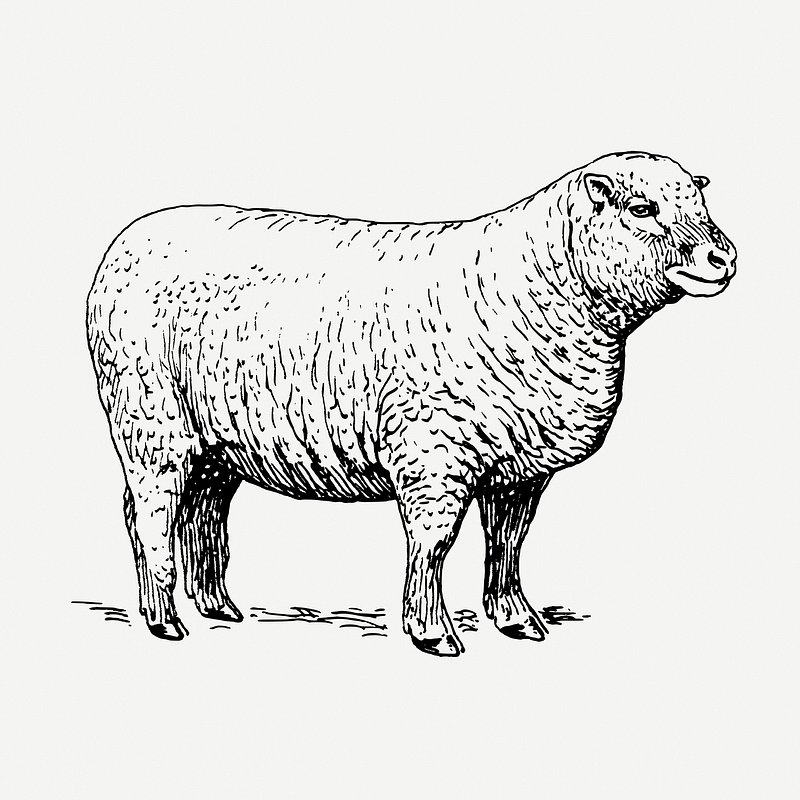
Every livestock producer dreads finding an animal down in the pasture, pale and weak, sometimes already too late to save. More often than not, especially in sheep and goat operations, the culprit is the barber pole worm, a parasite that quietly steals blood and life from its hosts.
Haemonchus contortus is one of the most devastating parasites in modern livestock operations. Unlike other internal parasites that cause gradual performance losses, barber pole worms can kill healthy animals within weeks. Understanding this parasite's biology and behavior is critical for developing management strategies to protect animals and operations.
What Makes This Parasite So Deadly
The barber pole worm gets its name from the distinctive red and white striped appearance of adult females, where blood-filled digestive tracts spiral around white reproductive organs. Adult females measure about an inch long, while males are smaller and pale pink. During necropsy, they appear as thin, hair-like worms in the abomasum (fourth stomach).
Each adult worm acts like a tiny vampire, piercing the stomach lining to feed directly on blood, removing up to 30 microliters daily. While this seems small, the impact is severe: 500 worms cause visible anemia, weakness, and poor performance, while 5,000 can kill a sheep or goat within a month due to blood loss.
The parasite's rapid reproduction fuels its lethality. Each female produces up to 10,000 eggs daily, enabling small infections to escalate into life-threatening infestations in weeks.
Which Animals Are at Risk
Sheep are the most susceptible, often succumbing to severe anemia from relatively low worm burdens. Goats are also highly vulnerable, though tolerance varies among individuals. Young animals face the greatest risk due to their smaller blood volumes and underdeveloped immune systems.
Pregnant and lactating females are particularly at risk. Reproductive stress weakens immune function and increases nutritional demands, making these animals prime targets. Nutritional stress in any animal exacerbates susceptibility, creating a cycle where parasite-induced anemia reduces appetite, worsening stress and vulnerability.
Environmental Conditions and Geographic Patterns
The barber pole worm thrives in warm, humid environments. Larval development is optimal at temperatures between 70-85°F (21-29°C) with 10-15 millimeters of rainfall over several days, enabling rapid egg hatching and larval survival on pasture.
Areas with summer rainfall, such as the southeastern United States and coastal regions, are particularly problematic, as warm temperatures and periodic rainfall create ideal conditions for population growth. In temperate climates, worm populations typically peak in mid to late summer.
The parasite's ability to survive adverse conditions through arrested development adds complexity. Larvae can remain dormant in the host's stomach lining for 3-6 months, resuming activity when conditions improve.
The Life Cycle: Understanding the Enemy's Strategy
The barber pole worm's life cycle reveals vulnerabilities and strengths that shape management strategies. Eggs in manure hatch under favorable conditions, typically requiring temperatures at a minimum of 50-65°F and adequate moisture.
Newly hatched larvae progress through two non-infective stages, feeding on bacteria in manure and soil. This development takes 4-9 days under optimal conditions, during which larvae are vulnerable to heat, cold, and desiccation (being dried out).
The infective third stage (L3) larvae climb onto grass blades, often in morning dew, waiting to be consumed by grazing animals. This explains why infections often occur during early morning grazing when dew aids larval movement. The only way worms enter an animal is through ingestion of these larvae; no other transmission route exists.
Once ingested, larvae reach the abomasum and develop into reproducing adults in about three weeks. This rapid cycle means symptoms often appear after worms have already begun producing the next generation of eggs.
Recognizing the Damage: Signs and Symptoms
Anemia from chronic blood loss is the primary symptom, visible as pale mucous membranes in the inner eyelids and gums. The FAMACHA system offers a standardized way to assess anemia by comparing eyelid color to reference charts.
"Bottle jaw," a soft swelling under the lower jaw, results from protein deficiency due to blood loss, as fluid leaks into surrounding tissues. Weight loss, poor growth, and reduced milk production accompany anemia, as animals struggle with reduced oxygen-carrying capacity. Severely affected animals may show lethargy, weakness, or collapse during handling.
The parasite can cause sudden death with minimal prior symptoms, especially during environmental stress or rapid worm population growth, making vigilance critical.
The Economic Reality
The economic toll extends beyond dead animals. Infected herds experience reduced reproductive performance, slower growth, decreased milk production, and high treatment costs. Research shows that even moderate worm burdens slow weight gain, delaying market readiness.
Treatment costs include deworming medications, veterinary consultations, diagnostic testing, and labor for monitoring. Hidden costs, such as time spent managing issues and reduced confidence in livestock enterprises, further strain operations.
In regions with favorable conditions, the barber pole worm is a primary limiting factor for sheep and goat operations, sometimes forcing producers to switch enterprises or exit livestock production.
Why Traditional Approaches Fail
Conventional deworming often fails due to widespread resistance, with studies showing lots of tested flocks resistant to benzimidazoles and to macrocyclic lactones like ivermectin. The parasite's rapid reproduction means treatments offer only temporary relief unless environmental factors are addressed.
Intensive production systems that concentrate animals on limited areas facilitate parasite transmission and population rebuilding. Increased animal movement spreads resistant worms to new regions, complicating control efforts.
Understanding Sets the Stage for Success
Barber pole worms demand strategic thinking over simple chemical solutions. Their rapid reproduction, environmental adaptability, and devastating impact require comprehensive management targeting multiple life cycle stages.
Successful management works with the parasite's biology, not against it. Chemical dewormers alone are often insufficient due to resistance and rapid reinfection.
In Part 2, we'll explore integrated management strategies, including rotational grazing, biological controls, strategic deworming, nutritional management, and monitoring systems, to break the parasite's life cycle while maintaining profitability.
Victory requires understanding the enemy, but success comes from systems that prevent it from thriving.